

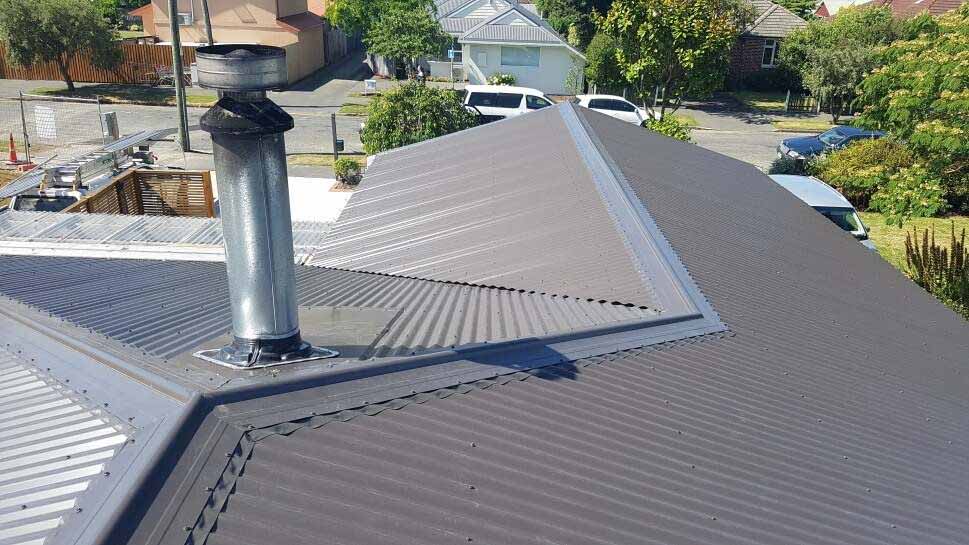
Planning a new build or renovating an older home often involves decisions you may not have thought about before, such as the roof pitch, meaning the angle at which your roof slopes. Roof pitch measures how much a roof rises vertically over a given horizontal distance. In New Zealand, this is usually expressed as a ratio (such as 1 in 4) or in degrees. A steeper ratio means the roof rises quickly, while a low ratio means it looks almost flat. Understanding this angle matters because it affects the roof’s appearance, its ability to shed water and wind, and how it’s built.
What Is Roof Pitch?
Every roof has some degree of slope. Even “flat” roofs aren’t truly flat; they are tilted slightly so rainwater drains away. To calculate pitch, builders measure the vertical rise of the roof and divide it by the horizontal run. For example, a roof that rises 200 mm over a metre of horizontal span has a 1 in 5 pitch. Steeper roofs are sometimes described in degrees, but the ratio method makes it clear how quickly the roof climbs.
Why does Roof Pitch Matter?
Pitch determines how well your roof deals with rain. Canterbury’s climate dishes out plenty of wet weather, so a roof that doesn’t drain effectively can lead to ponding and leaks. Inadequate fall can shorten a roof’s life and reduce rainwater capacity. Secondly, the slope affects how forces such as wind and weight are distributed across the structure. Lastly, your roof pitch influences the look of your home. A steep gable roof gives a classic, cosy silhouette, while a shallow monopitch creates a sleek, contemporary style. It also affects how much space you have in the ceiling cavity for insulation, ducting and storage.
Why Roof Pitch Matters in Canterbury
Choosing the right roof pitch is a balancing act. Too low and you risk water pooling; too high and you add unnecessary cost and complexity. In the Canterbury region we rarely deal with heavy snow, but we do experience strong winds and driving rain. A moderate pitch allows rain to run off quickly while resisting wind uplift. Steep roofs shed water well but require more materials and labour. They may also be subject to local height restrictions, especially in urban areas where space is a concern.
Roof pitch also influences interior comfort and building services. A steeper roof offers more space in the roof cavity for insulation, ventilation and even solar equipment. In some cases, a low‑sloped roof can make it difficult to install ceiling-mounted HVAC systems, so equipment may need to be housed externally. Conversely, a low pitch helps keep the overall height of the building down, which can be helpful if you’re working to council guidelines or want to reduce your home’s profile.
Typical Roof Pitch Categories
While there’s no rigid classification, pitches generally fall into three groups:
- Low pitch (1:12 to 4:12) – These roofs have a gentle slope. They’re easier to build and to walk on but need well‑designed waterproofing. Long‑run steel roofing is ideal for low pitches because it sheds water efficiently even at shallow angles.
- Medium pitch (4:12 to 9:12) – This is the most common range for homes in New Zealand. A pitch around 6:12 strikes a good balance between water run‑off and cost. It also works well with corrugated iron or steel roofing.
- Steep pitch (over 9:12) – Steep roofs offer rapid run‑off and a dramatic look. They are more expensive due to extra materials and labour and may need special bracing. In Canterbury’s climate a steep roof is rarely necessary, but you might choose one for aesthetic reasons.
Roof Pitch & Material Choice
The angle of your roof determines what materials you can use. Metal roofing is highly adaptable and can be used on shallow pitches when installed by professionals. At Huston Cross we use high‑grade COLORSTEEL® and ColorCote® products for our new roof installation work on both residential and commercial buildings. These durable materials are designed for New Zealand’s climate and come with long warranties. If your design calls for a tile or shingle roof, a steeper pitch will be required. We focus on metal roofing but can coordinate with trusted tile contractors to ensure a seamless result.
Wall cladding complements roofing choices. Corrugated iron cladding can tie your roof and walls together, providing a cohesive look and extra protection. To learn more about our metal cladding options for homes and businesses, visit our dedicated page.
When to Seek Expert Advice
Working out your roof’s pitch involves understanding building codes, local conditions and material limitations. A pitch that’s too low for the selected material can lead to leaks, while a pitch that’s too steep might blow your budget. Our team at Huston Cross takes the guesswork out of the process. During an on‑site consultation we’ll discuss your design goals, assess your existing roof and recommend whether roof repairs or a re‑roofing in Christchurch project will achieve the best result.
If your roof is nearing the end of its life, a complete roof replacement refreshes the look of your home and brings it up to current standards. For smaller problems such as leaks or damaged flashing, our repair specialists can fix issues quickly to prevent further damage. And if you’re planning a new build or extension, we can help you choose a pitch that matches your architecture and stands up to Canterbury’s weather.
Ready to Pitch Your Roof Perfectly?
Roof pitch may not be the first thing you think about when dreaming of a new home, but it has a major impact on how your roof performs and looks. In Christchurch and across the West Coast, choosing the right pitch is essential for protecting your property and ensuring long‑term value. For advice on commercial roofing, a new roof for your family home or guidance on a stylish re‑roof, talk to Huston Cross for trusted roofing solutions in Christchurch.
Give us a call on 03‑331 6578 or book a consultation. With our one‑stop service, we’ll make sure your roof looks fantastic and keeps you dry and comfortable for years to come.