

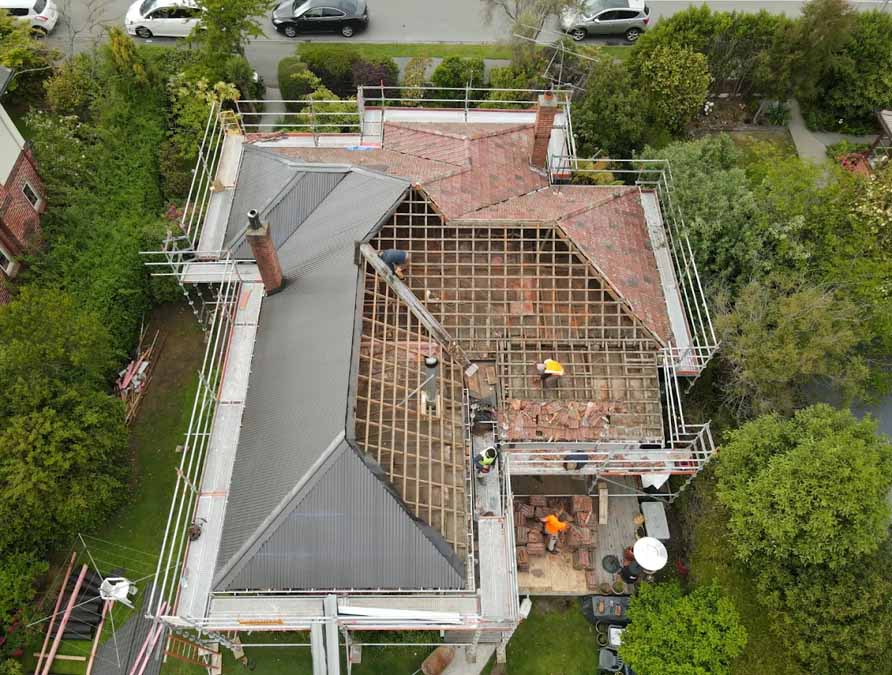
Understanding how your roof is built helps you spot problems early, plan for maintenance and communicate clearly with roofers when needed. Although a roof looks simple from the outside, it is made up of several connected parts that work together to keep your home dry, ventilated and structurally sound.
If you are considering roof repairs, a re-roof or simply want to understand your home better, this guide explains the essential components of a typical New Zealand roof in straightforward terms.
Roof Anatomy
Christchurch weather can change quickly, and small roof issues often become large and costly if they are ignored. By understanding how your roof works, you can notice early signs of trouble, make better decisions during maintenance and feel more confident when speaking with roofing specialists. Your roof is a system, not a single material. Each part has a specific purpose and plays a role in keeping your home protected.
If you are planning work, you can explore our residential roofing services in Christchurch.
Ridge
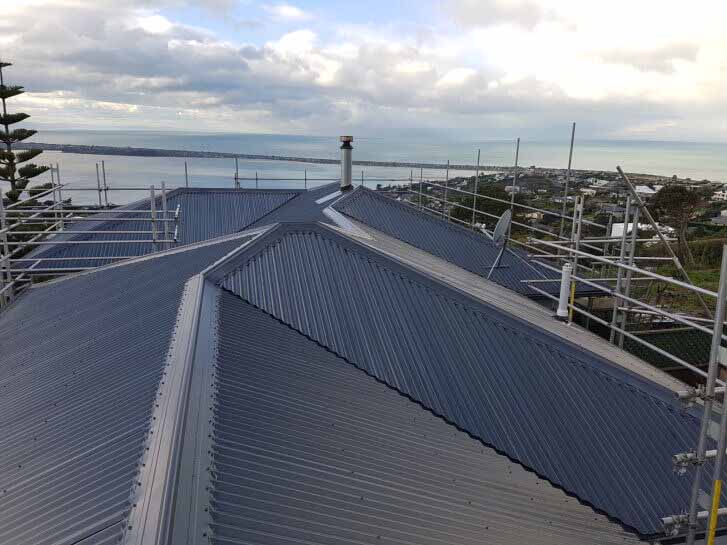
The ridge is the highest horizontal point of your roof where two sloping sides meet. Ridge capping is installed along this line to seal the joint and stop water from entering. It also improves roof ventilation by letting warm, moist air escape from the roof space. If ridge capping becomes loose or worn, heavy rain can enter beneath the roofing sheets. This is a common cause of leaks during Canterbury storms. A roofing professional can check whether your ridge capping needs repair or replacement.
Learn more about our roof repairs in Christchurch.
Roof Eaves
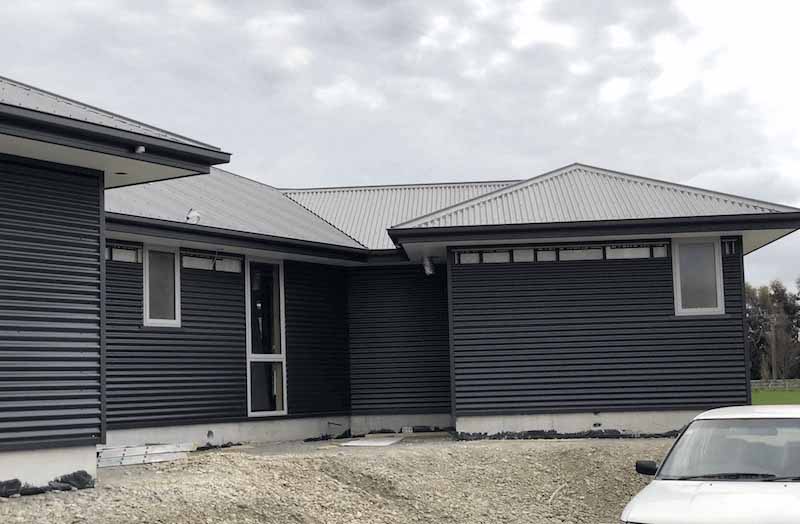
Eaves are the lower edges of the roof that extend beyond the exterior walls. This overhang helps control rainwater and keeps it from running directly down the walls. Eaves also provide shade during warmer months which improves comfort and energy efficiency. If your eaves are short or in poor condition, upgrading them may be part of a full roof replacement.
If you are thinking of upgrading, enquire about re-roofing in Christchurch.
Roof Valleys
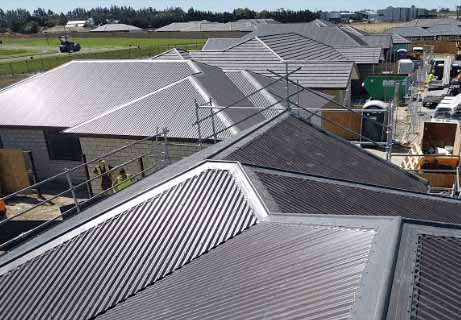
Roof valleys are the internal angles where two roof planes meet. Valleys create channels that guide rainwater down toward the gutters. Because they collect more water than other areas, they are one of the most important parts of the roof to keep clean and well maintained. Leaves, twigs and debris can easily accumulate in valleys, especially in tree-lined Christchurch suburbs. Blocked valleys cause water to pool, and potentially overflow or track sideways. This can lead to to leaks and potentially ceiling damage. Check valleys visually annually and arrange a roofing inspection if you notice rust, damage or overflow during heavy rain.
Soffit
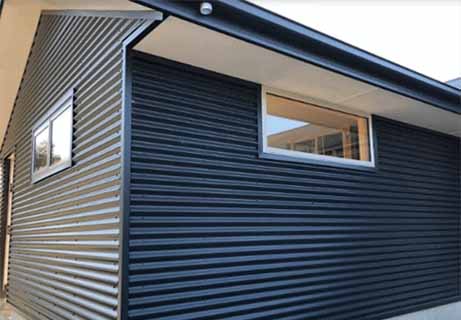
The soffit is the material used to cover the underside of the eaves. It creates a tidy finish and prevents birds, insects and debris from entering the roof cavity. Many soffits include ventilation openings that allow fresh air into the cavity, which helps prevent dampness and mould. If soffits show signs of rot, swelling or cracking, moisture may be entering the structure. Poor ventilation in the roof cavity can also reduce the performance of insulation and increase humidity inside the home.
Roof Underlay
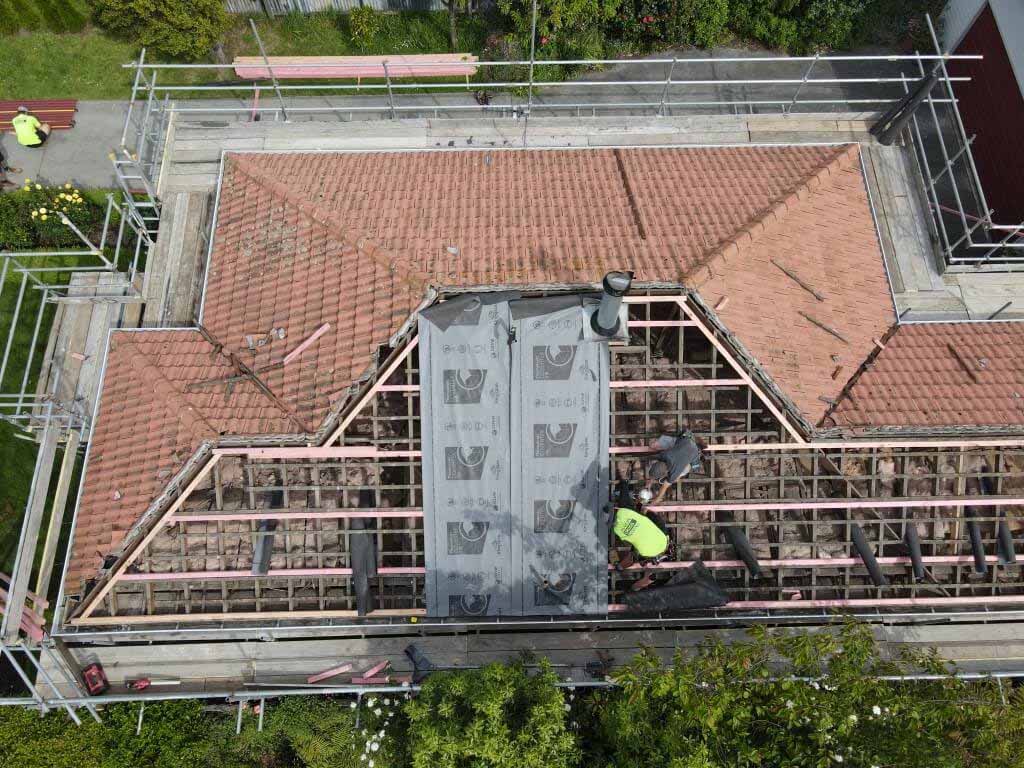
Roof underlay is a protective layer placed beneath the roofing sheets. It acts as a secondary barrier against moisture, condensation and wind-driven rain. Underlay also protects the framing and insulation while helping manage airflow and temperature inside the roof space. Modern underlay materials used in New Zealand provide significantly better protection than older products. They are highly recommended when re-roofing older homes that may have limited moisture control. Underlay is one of the most important components to update during a full roof replacement.
Roof Battens
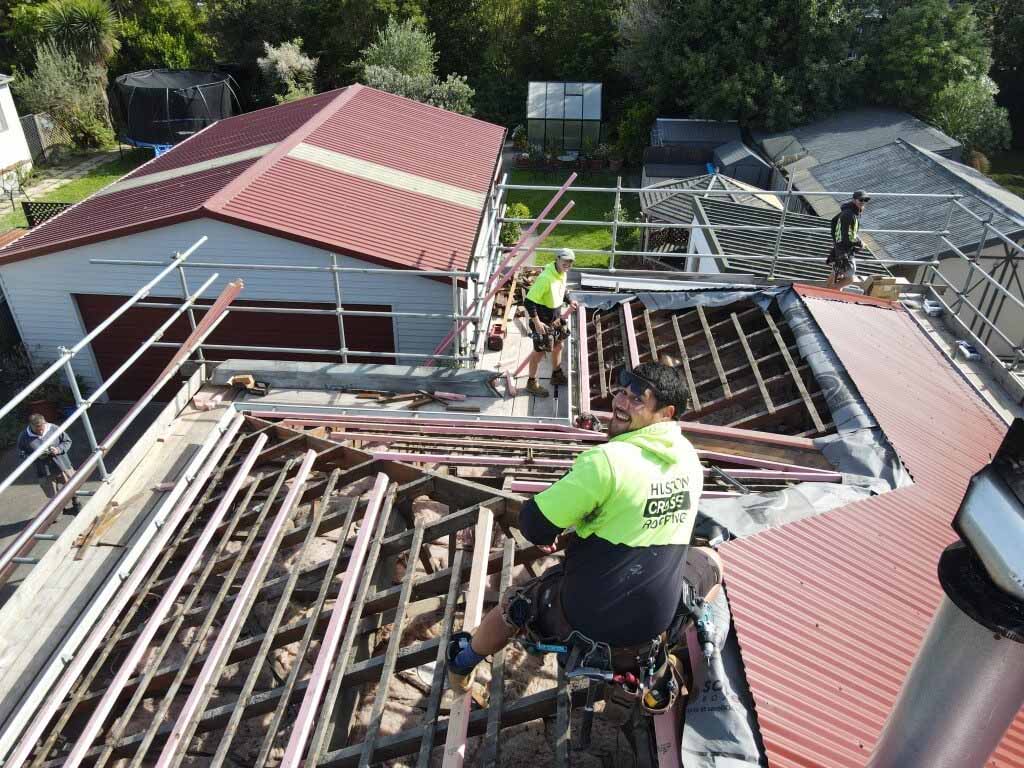
Battens are horizontal timber or metal strips fixed across rafters or trusses. Roofing sheets are attached to these battens which form the structural base of the roof. Battens provide support, help manage load distribution and create the spacing required for ventilation under the roof cladding. If battens are damaged or rotten, they can compromise the entire roofing system. Issues with battens are often discovered during re-roofing, and replacing damaged battens prevents movement, leaks and uneven roof surfaces.
Why Understanding Roof Anatomy Helps You
Every part of your roof plays an important role in protecting your home. When one section fails, it can affect the rest of the system. Understanding roof anatomy gives you confidence when discussing repairs or replacements and helps you recognise when to call a professional. If you notice leaking, damaged flashings, overflow from valleys or concerns with soffits or eaves, the specialists at Huston Cross can help. Our licensed team provides inspections, repairs and long-lasting solutions for homes across Christchurch and Canterbury.
A roof is a complete system designed to keep your home dry, warm and safe.
If you need expert help with roof repairs, re-roofing or need roof maintenance, the Huston Cross team is ready to help homeowners across Christchurch and the surrounding regions.
Frequently Asked Questions: Roof Anatomy
What is the most important part of a roof to maintain?
All components play a role, but valleys, flashings and ridge capping are the areas where leaks most often begin. Because these parts manage high volumes of water, any damage or deterioration can lead to internal moisture problems. Annual checks can prevent many issues.
How often should I inspect my roof in Christchurch?
A roof should be visually checked at least once or twice a year. It is also wise to inspect it after strong winds or heavy showers, which are common in Canterbury. If you notice any damage internal or external staining, corrosion and alike, arrange a professional inspection promptly.
What is the purpose of roof underlay?
Underlay provides an extra layer of protection beneath the roofing sheets/system. It helps manage moisture, reduces condensation and acts as a safeguard. If wind-driven rain gets through the outer roofing layer underlay is there to lead water out.
Why are soffits important?
Soffits protect the roof cavity from pests and debris while allowing fresh air to circulate. Good ventilation prevents mould growth, reduces dampness and improves the performance of insulation.
Can I repair individual roof components myself?
DIY roof repairs are not recommended. Working at height is hazardous, and incorrect fixes can cause further damage or void warranties. A licensed roofer can ensure repairs are completed safely and to New Zealand building standards.
When should I consider a full re-roof instead of repairs?
If your roof has widespread corrosion, ongoing leaks or outdated materials, a full replacement is often the most cost-effective choice. A new roof improves weather protection and adds value to your home. For guidance, talk to us about our re-roofing services.