

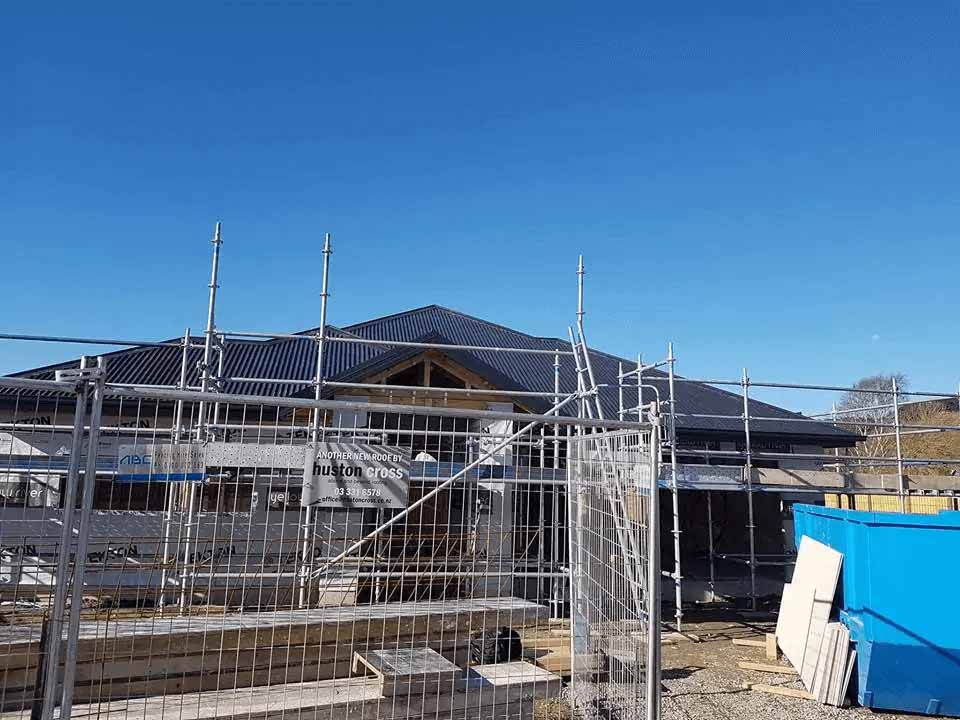
A new roof is one of the biggest decisions in any build. It affects the look of the home, the long-term weather performance, the drainage design, and how smoothly the rest of the build comes together. In Christchurch, it also needs to stand up to strong wind, heavy rain, UV exposure, and the day-to-day reality of Canterbury conditions.
We work with both homeowners and builders, and one thing is always clear. The best roofing projects are the ones that are planned properly before installation starts. When the roof design, materials, flashings, and drainage are thought through early, the whole job tends to run better.
Start With The Roofing Plan Early
One of the most common mistakes on a new build is leaving the roofing conversation too late. By the time framing is up and final decisions are being rushed, there is less room to solve practical issues properly.
A new roof should not be treated as a final add-on. That includes profile selection, pitch, drainage, cladding relationships, penetrations, skylights, and colour choices. If those decisions are left until late in the process, delays and compromises become more likely.
That is why early coordination with residential roofing in Christchurch is worth it. It gives everyone a clearer path forward and helps avoid rework later.
Choose A Roofing Profile That Suits The Home
Profile choice is about appearance, but it is also about performance. Some homes suit a bold, more architectural profile. Others work better with something simpler and more understated. Roof pitch, layout, and drainage all need to be part of that conversation.
Long-run metal remains a strong choice for Christchurch homes because it performs well in local conditions, gives a clean finish, and is practical from a maintenance point of view. It also works well with modern design details and complementary metal wall cladding in Christchurch, which is something many new builds now include.
The key is to match the roof to the build, rather than choosing a profile in isolation.
Think About Drainage Before It Becomes A Problem
This is especially important on lower-pitch or more complex roof designs. Water needs a clear path off the roof. If that path is compromised by poor detailing or rushed design decisions, problems tend to show up once the weather turns.
That is one reason our new roof discussions often overlap with re-roofing in Christchurch. We see what happens when earlier projects were not planned well enough, and drainage is usually part of the story.
Don’t Overlook Flashings And Roof Details
Most people focus on the main roof sheets, but some of the most important parts of a new installation are the details around them. Flashings, penetrations, ridges, valleys, and roof-to-wall junctions are what turn a roof into a complete weatherproof system.
That is why quality installation matters just as much as material selection. If the details are poor, the roof can become a source of future issues even if the main product is excellent.
Our blog on roof anatomy is helpful here because it breaks down the parts of the roof that homeowners often overlook but that make a real difference to long-term performance.
A New Roof Should Suit The Project
The strongest new roof outcomes usually come when the roof is treated as part of the wider home design, not just the top layer that gets added at the end. It should suit the house visually, work with the drainage plan, and be practical to maintain for years to come.
For homeowners, that means less uncertainty and a better long-term result. For builders, it means fewer issues on site and a cleaner handover.