

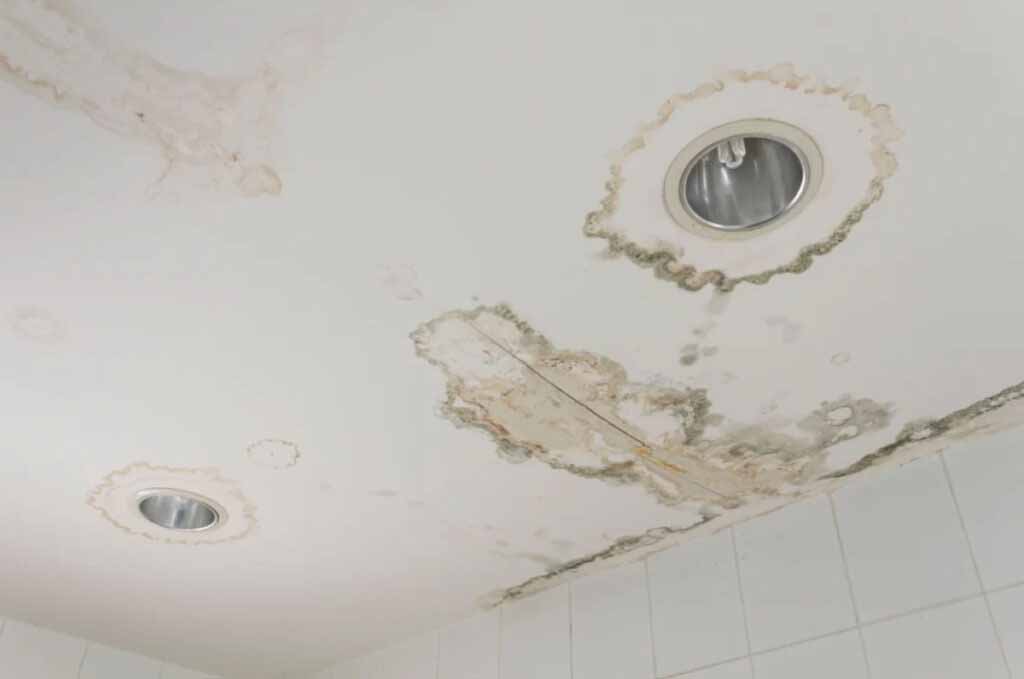
A roof leak can be stressful, especially when it appears suddenly after heavy rain or strong winds. The good news is that many leaks start in predictable places, and there are safe, surface-level checks homeowners can do before calling in the professionals. Understanding where leaks commonly come from helps you act early and avoid further damage.
First Signs of a Roof Leak
Leaks do not always show up as dripping water. Early signs often include faint ceiling stains, peeling paint, damp smells or mould around corners. In metal-roofed homes, leaks may appear some distance from the actual entry point because water can travel along framing or underlay before becoming visible.
If you notice any of these signs, it is best to investigate early. Even a small amount of moisture can cause insulation damage or timber decay if left untreated.
If the issue is ongoing or unclear, our roof repairs in Christchurch can help identify and resolve the problem quickly.
Common Leak Sources on Metal Roofs
Flashings Around Roof Penetrations
Flashings seal areas where the roof meets chimneys, vents, skylights or pipes. Over time, sealants can degrade, fasteners can loosen or flashing edges can lift. These are some of the most common entry points for water.
What you can check safely:
From the ground or through binoculars, look for flashing that appears loose, bent or rusted. Indoors, check the ceiling directly below these areas for staining.
Valleys and Internal Corners
Roof valleys are channels that direct water toward the gutters. Because they carry high volumes of water, even small blockages or corrosion can cause overflow or leaks.
What you can check safely:
After heavy rain, observe where water flows. If you see overflow at the valley edges or water tracking sideways, this may indicate a blockage or damaged valley flashing.
Gutters and Downpipes
Blocked or overflowing gutters can push water back under the roof edge. This often causes leaks that appear along ceilings or walls near the exterior of the home.
What you can check safely:
Look for sagging gutters, visible debris or water spilling over during rain. Clearing leaves and checking downpipes for flow is a simple but effective preventative step.
If gutter issues are contributing to leaks, they are often addressed during a re-roofing project in Christchurch.
Loose or Failed Fasteners
Metal roofing relies on correctly installed and sealed fasteners. Over time, screws can loosen due to thermal movement or weather exposure. The rubber washers beneath them can also degrade.
What you can check safely:
From the ground, look for screws that appear raised or missing. Indoors, water staining aligned with fastener rows can indicate this issue.
Roof Edges and Eaves
The junction between the roof and eaves is another common leak point, especially during wind-driven rain. If edge flashings are damaged or incorrectly installed, water can be forced underneath the roof sheeting.
What you can check safely:
Inspect eaves and fascia for signs of water staining, peeling paint or soft timber. These can indicate ongoing moisture exposure.
For full assessments of these areas, our residential roofing team can help.
Simple Indoor Checks You Can Do
You do not need to climb onto your roof to gather useful information.
- Check ceiling spaces for damp insulation or water marks.
- Look along rafters and trusses for moisture trails.
- Note whether leaks appear only during heavy rain or persist after weather clears.
- Take photos of visible damage to help your roofing contractor diagnose the issue faster.
These observations are often enough for a professional to pinpoint the source without invasive inspection.
What Not to Do
While it is tempting to try quick fixes, some actions can make the problem worse.
- Avoid climbing onto the roof, especially when wet or windy.
- Do not apply sealant or tape without proper diagnosis. This can trap moisture and cause corrosion.
- Avoid pressure washing roof areas where leaks are suspected.
Metal roofing systems work as a complete assembly, and incorrect repairs can void warranties or create new leak paths.
When a Leak Indicates a Bigger Issue
If leaks occur in multiple areas, return after every rainfall, or are accompanied by visible corrosion, the issue may be more than a simple repair. In these cases, the underlay, battens or overall roof condition may be compromised.
This is when a full assessment is recommended. If your roof is older or showing widespread wear, a replacement may be the more reliable long-term solution. Our team can guide you through options using our re-roofing expertise.
Why Professional Diagnosis Matters
Water does not always enter where it appears. Licensed roofing professionals understand how metal roofing systems shed water, how wind affects drainage and how Christchurch weather impacts long-term performance.
At Huston Cross, we assess roofs holistically, including flashings, fixings, valleys, gutters and underlay. This ensures the true cause of leaks is addressed, not just the symptoms.
For commercial properties or multi-unit buildings, our commercial roofing service provides structured inspections and reliable solutions.
Contact Huston Cross For more information
Roof leaks rarely happen without warning. By knowing common leak sources and carrying out simple, safe checks, homeowners can act early and minimise damage. While surface-level diagnostics are helpful, professional inspection remains the safest and most reliable way to resolve leaks on metal roofs.
If you suspect a leak or want peace of mind before winter sets in, the Huston Cross team is here to help with practical advice and dependable roofing solutions tailored to Christchurch homes.