

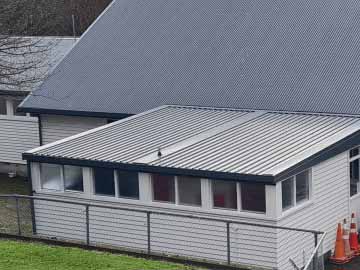
When planning a roof replacement, most homeowners focus on materials, colour and cost. One factor that is often overlooked, yet incredibly important, is roof pitch. The pitch of your roof influences everything from water drainage to material suitability and long-term performance. In Christchurch and Canterbury, where roofs face strong winds, heavy rainfall and sudden temperature shifts, choosing materials and installation methods that match your roof pitch is essential.
At Huston Cross, roof pitch is one of the details we check in our process. It helps us ensure your new roof performs as it should and lasts for many years. Here is why pitch matters and what you should consider before starting a replacement project.
What Is Roof Pitch?
Roof pitch refers to how steep or shallow your roof is. It is usually expressed as a ratio usually in degrees, for example 35°. A higher pitch indicates a steeper roof, while a lower pitch indicates a flatter design.
Pitch affects:
- how quickly rainwater drains
- how well the roof handles snow or debris
- what roofing profiles can be used
- how the home looks from the outside
Every roofing material has a minimum pitch requirement. This ensures water drains safely without pooling or forcing its way under flashings.
Why Roof Pitch Matters for Replacement Work
1. Material Compatibility
Roofing products behave differently depending on the slope. Long-run metal, for example, is a popular choice across Christchurch, but it requires a minimum pitch to perform properly. These can vary depending on the profileCorrugate needs 8° minimum, Ribbed 3 – 5° minimum.
When you request a quote with Huston Cross, we will assess your pitch to confirm which metal roofing profiles will function best for your home. You can learn more about material suitability through our residential roofing service in Christchurch.
2. Drainage and Weather Performance
Shallow roofs require careful design so water drains off the surface efficiently. Steeper roofs shed water quickly, but they must also handle wind uplift. If your existing roof has drainage issues or visible water staining, you may need both new materials and updated flashing design.
3. Flashings, Cappings and Seals
Pitch determines how flashings and ridge cappings are designed and installed. For example, a low-pitched roof requires wider flashings and more precise sealing to stop wind-driven rain entering the structure.
During a roof replacement, we ensure that all flashings are custom-fitted for your pitch and roofing profile. This reduces the chance of leaks and improves long-term durability.
4. Aesthetic and Architectural Impact
Roof pitch affects the overall shape and character of your home. Retaining an existing pitch may suit the design, but some homeowners choose to alter the pitch slightly during a major renovation. Changing the pitch can alter natural light, ceiling height or attic space.
If you are considering a pitch change, we can advise how this may influence your choice of materials and building consent requirements.
5. Building Code and Manufacturer Requirements
New Zealand building standards specify how roofing materials must be installed which includes minimum pitch requirements. Manufacturers also list pitch limits in their warranties. If these requirements are not met, the warranty could become void and your roof may not perform as intended.
We ensure your replacement roof is built to code and meets manufacturer guidelines which protects your investment long term.
Can Roof Pitch Be Changed During a Roof Replacement?
In many cases, the existing roof pitch should be kept as it is. However, there are situations where adjusting the pitch is beneficial, such as:
- ongoing drainage problems
- previous leaks caused by insufficient slope
- major architectural changes
- transitioning from older materials to modern with design change
Changing pitch is structural work and requires professional planning therefore building consent is required. It should only be done by licensed roofing contractors and builders who understand all requirements. If this is an option you want to explore, we can guide you through design and installation.
Talk To Huston Cross Today
Roof pitch plays a role in how well your roof handles rain, wind and long-term wear. When planning a roof replacement, understanding the pitch guides you on the right materials, flashings and features. We will assess your roof’s and deliver a new roof that is reliable, compliant and suited to Christchurch’s climate.
If you are unsure how your roof pitch affects your replacement options, contact Huston Cross. Our experienced team can provide guidance, and recommend the best roofing solution for your home.